Dream.exe Flashlight and Invitations
Use light as information, not a beacon—and clear mid-threat prompts only after you reach cover.
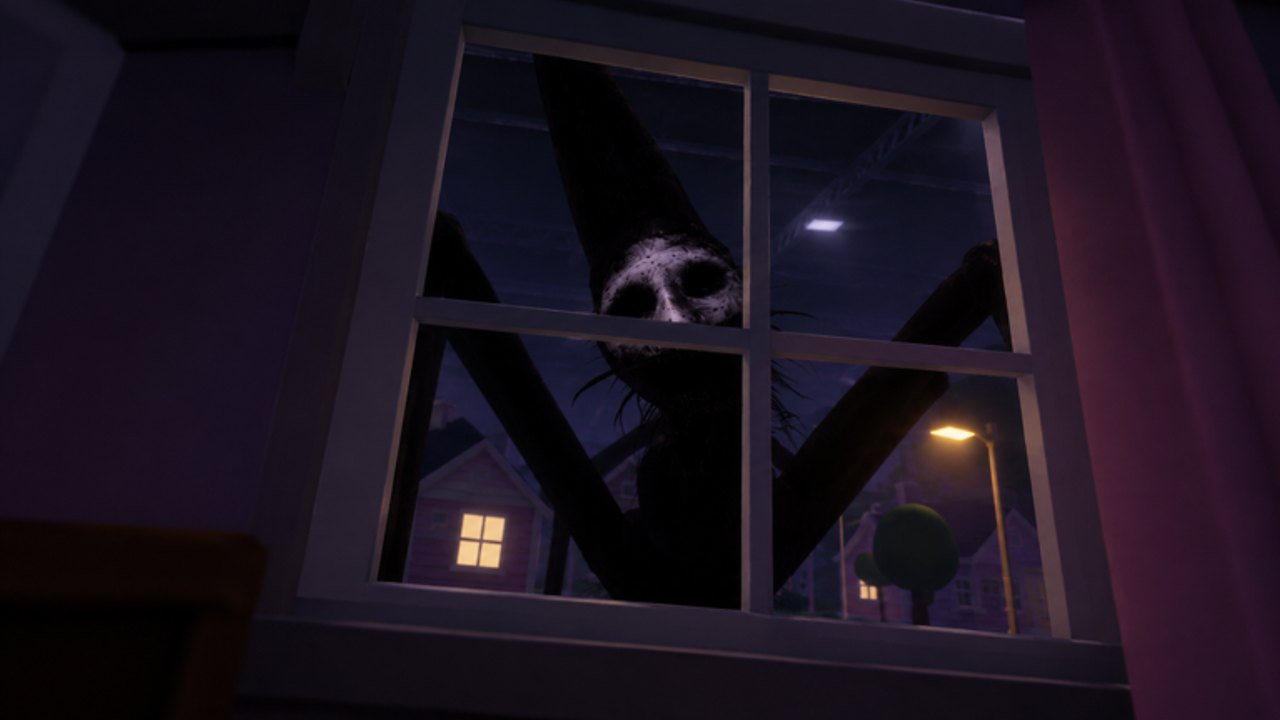
In Dream.exe, light is both comfort and risk. Wintermute67’s Roblox dreamcore neighborhood wraps candles, coins, exits, and an entity in the darkness into a Minimal Fear survival-escape on servers of up to twenty players. Flashlights let you read porches and candle glows. They also advertise living players to whatever hunts between the houses. Invitation-style prompts and hide props add another layer: social or dream-framed UI that can freeze careless players in the open.
This guide teaches flashlight discipline, how to treat light as information instead of a parade beacon, how to resolve invitation prompts after you reach cover, and how co-op etiquette keeps twenty beams from painting the whole block. For raw keybinds, see Controls. For day-one context, see Getting Started.
Pulse light versus constant beam
Constant beams feel safe. They are not. A full-time flashlight teaches the hunt your lane, blinds your own night vision to ambient cues, and turns every teammate into a moth cluster. Survival players pulse:
- Short on — confirm a corner, candle silhouette, or door gap.
- Off — cross ground you already read toward the next cover.
- On again — only when the next uncertainty appears.
- Full blackout — the moment you commit to a hide.
Build the toggle into your hands so fatigue on later days cannot leave the beam stuck on. Pair this with the pacing habits in How to Survive.
Light as information, not a beacon
Ask one question every time you toggle on: what am I trying to learn? Valid answers include candle position, exit threshold language, whether a porch is empty, or whether a teammate is signaling a safe lane. Invalid answers include “I am scared” and “the dark looks cooler lit.” Fear beams are beacons.
When chase audio spikes, prioritize breaking line of sight over lighting the yard. A bright open lawn is a stage. A dark hard corner is a transition to hide. If you must relocate under pressure, keep the beam low and brief—enough to avoid face-planting a fence, not enough to sketch your silhouette for the entity.
Mid-article gameplay reference
Luis&max’s Dream.exe session is a useful live lobby reference for flashlight timing, chase pressure, and how players use hide props when something closes in. Watch how long beams stay on after a scare, then compare that to the pulse-and-blackout rules here. Treat the footage as orientation, not a script you must copy move-for-move.
Invitation-style prompts mid-threat
Some sessions surface invitation-style prompts or dream-framed social hooks while you are still exposed. The wrong response is to plant your feet in the street and clear every UI element while the hunt rotates. The right response is cover first, UI second:
- Break line of sight toward a pre-tagged hide or interior.
- Enter the spot fully and blackout the flashlight.
- Resolve the prompt only once your body is committed to cover.
- Exit the UI facing a planned path—candle ring edge or exit approach—not a random panic alley.
Invitations are part of the dream framing, not a pause button for the entity. If a prompt appears during a calm candle ring, you can clear it quickly between pulses. If it appears during audio spikes, assume the snatch window does not care about your dialogue.
Hide props and light discipline
Map-authored hide props, closets, tight rooms, and shadow pockets exist so you can interrupt chase scripts. Light leaking from those props defeats them. Before you need cover, tag two primary hides and one overflow for crowded lobbies. When you enter:
- Kill the beam.
- Stop chat spam.
- Stay still through the window.
- Leave only when pressure drops.
Do not peek every two seconds with a lit cone “to check.” Peeking with light is broadcasting. Details on break-sight sequences live in How to Hide.
Co-op flashlight etiquette on 20-player servers
Twenty flashlights on one street turn Dream.exe into a stadium. Soft rules that keep lobbies alive:
- Scavenger pairs pulse on staggered timing so the block is never fully lit.
- Spotters use brief sweeps on dark approaches; scavengers stay darker while grabbing candles.
- Never stack five beams inside one closet doorway.
- Call “lights down” when chase audio spikes so the group blackouts together.
- Trail a confident player’s pulse pattern at a distance instead of cloning their tile.
Coins spent on vision-oriented abilities can reduce how often you need the beam. Buy those during calm shop moments after a day clear—not while you are already painting the neighborhood neon.
Candles, exits, and lighted greed
Candles reward routes, not light addiction. Use pulses to confirm clusters, then move dark between known grabs. Island candles that force long lit crossings under pressure are usually not worth a streak. The candle guide covers routing; apply a light filter: if confirming the grab needs a parade beam across open yards, skip and loop later.
Exit approaches need the same restraint. Threshold camping with a glowing party of ten is how highlight snatches happen. Stagger runners, keep beams off until the final interact, and pre-plan one emergency hide on the path—see How to Find the Exit.
Common flashlight and invitation mistakes
- Leaving the beam on for entire blocks “just in case.”
- Aiming light out of a hide prop like a lighthouse.
- Clearing invitation UI in the open during chase audio.
- Following a teammate so closely that both beams look like one fat target.
- Using light to cosplay bravery instead of to gather one fact.
- Forgetting the toggle bind until the worst possible second.
Practice drill
- First calm minute: confirm flashlight toggle and tag two hides plus overflow.
- Run a short candle ring with pulse-only lighting; count accidental constant-beam seconds.
- On first pressure spike: cover first, blackout, then resolve any prompt.
- Before late-day extract: approach with beam mostly off and one emergency hide ready.
- After the match: note whether a death came from beaconing, open UI, or missing cover.
Related pages
- Guides Hub
- Controls
- Getting Started
- How to Hide
- How to Survive
- Abilities Guide
- Updates when light or prompt behavior shifts with new levels
More levels are on the roadmap. Flashlight literacy transfers when layouts expand. Treat every beam as a question you asked the dark—and make sure you like the answer.
Frequently Asked Questions
Quick answers for Dream.exe survivors.
Should I leave my flashlight on in Dream.exe?
No. Pulse the beam to confirm corners and candles, then toggle off. Constant light advertises your position to the entity and trains bad late-day habits.
What should I do if an invitation prompt appears during a chase?
Reach cover and blackout first, then resolve the UI. Standing in the open to clear prompts is a common snatch pattern.
Can teammates help with lighting?
Yes—stagger pulses so the street is never a stadium of beams. Call lights down when chase audio spikes and avoid stacking in one lit doorway.
Does the flashlight replace abilities?
No. Coins still buy shop upgrades that can improve vision, mobility, or survivability. Flashlight discipline is the baseline; abilities amplify it.
Where can I see real flashlight play?
This page embeds Luis&max’s Dream.exe session as a live lobby reference for beams, chase timing, and hide props. Compare their on-time habits to the pulse rules above.
How does hiding interact with the flashlight?
Blackout the moment you commit to a hide prop or closet. Beams leaking from cover defeat the spot. See How to Hide for the full break-sight sequence.